
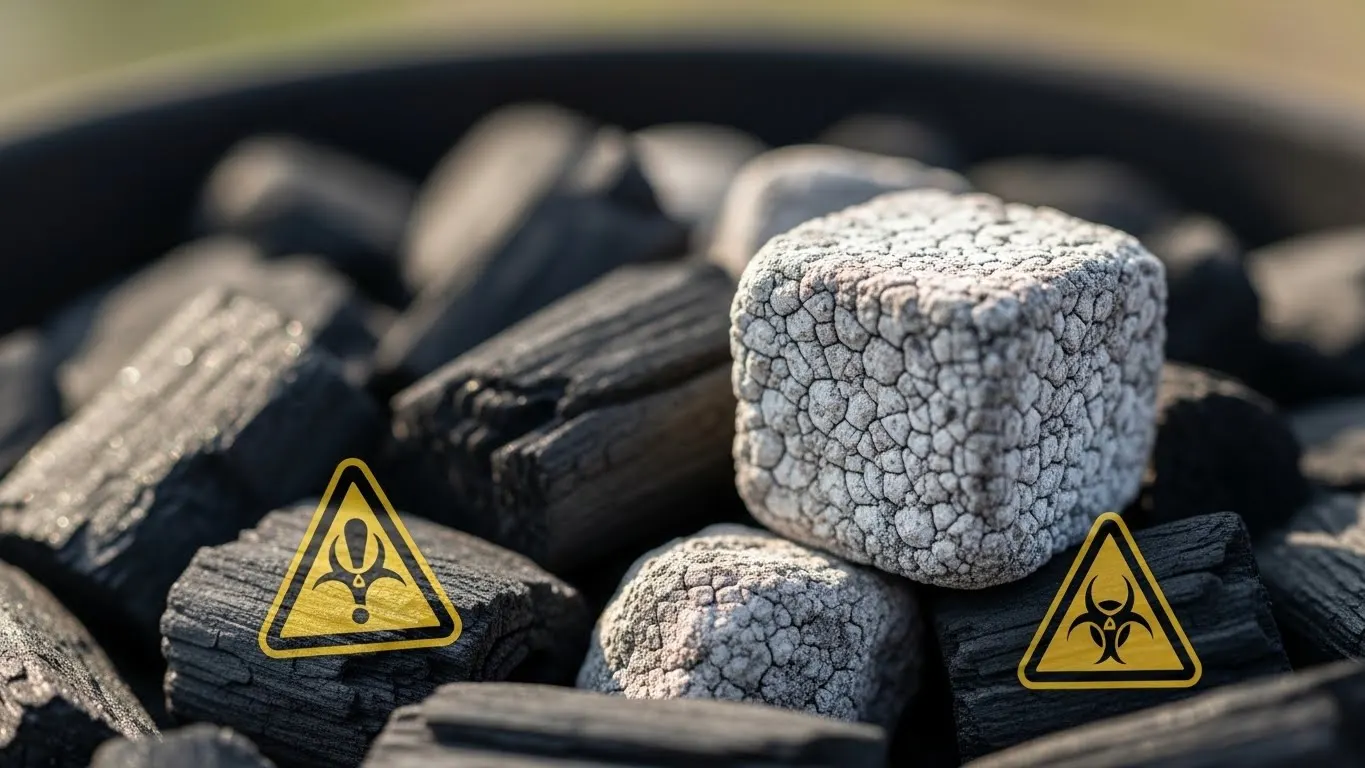
If you love shisha, you probably care about good flavor, smooth smoke — and a chill vibe. But when you grab the cheapest charcoal you find, you might be gambling — not just with taste, but with your health. In this article we dig into why cheap charcoals (or low-quality / “quick-light” coals) might be more risky than you think, and why investing in high-quality options (like natural coconut-shell charcoal) could matter. We look at research, not rumors — so you make an informed decision.
Why Some Charcoals Are “Cheap” — and What That Means
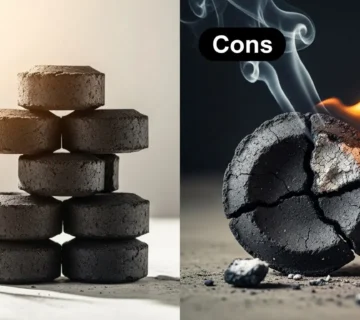
Cheap hookah charcoals are often produced quickly, sometimes using wood scraps, sawdust, industrial byproducts, or added chemical accelerants and binders to ensure fast ignition and cheap manufacturing.
Because of this:
They may burn unevenly or too quickly, leading to unstable heat.
They can emit toxic by-products when burned — from volatile organic compounds (VOCs), heavy metals or chemicals used in processing/binding.
The charcoals may leave excessive ash, soot, or particles that mix with the smoke, making it harsher and more irritating.
In short: “Cheap” often means compromised quality, more chemicals, inconsistent burning — not just “goes on sale.”
What Science Says: Health Risks Linked to Low-Quality / Charcoal Use
Using charcoal (especially low-quality or quick-light) in hookah is not harmless. Here’s what research and health authorities have found:
A major risk: carbon monoxide (CO) exposure. In a study comparing “natural” charcoal to quick-light charcoal, quick-light produced significantly more CO — nearly double on average.
CO and other combustion by-products can impair vascular (blood-vessel) health: for example, one clinical study showed that hookah smoking causes acute endothelial dysfunction (which affects arteries) — meaning impaired blood vessel function even in young adults.
Broad review studies link charcoal production and usage to a range of health issues: respiratory diseases (like asthma, COPD), cancer, DNA damage, elevated blood pressure, CO poisoning, and even increased mortality in severe cases.
Independent of charcoal quality, the act of hookah smoking itself carries many of the same risks as cigarette smoking: inhalation of tar, heavy metals, carcinogens, exposure to high levels of nicotine and CO — often more so than from a single cigarette.
Bottom line: cheap or low-quality charcoal can amplify the harms already associated with hookah.
More Than Just Health — Quality of Smoke, Taste & Experience
Beyond health: cheap charcoal tends to ruin the experience. Because of uneven burning and chemical additives, you may get:
Harsh, chemical taste — sometimes strong charcoal flavor rather than the intended shisha flavor. Users often complain “chemical odor” or “chemically taste.”
Quick burnout: you end up using more charcoal per session, or relighting frequently. That’s annoying and defeats the “cheap cost per kilo” advantage.
Lots of ash or soot — more mess, possible clogging of hookah bowl/stem, and unpleasant aftertaste.
By contrast, high-quality natural charcoal (e.g. made from coconut shell) tends to burn more steadily, longer, and more cleanly — less odor, less ash, smoother smoke.
So… Are Cheap Charcoals Worth the Risk?
If you only care about “lowest price now,” maybe you’re tempted. But when you weigh:
Increased exposure to CO, toxins, cancer risk, respiratory & cardiovascular harms
Worse taste, harsher smoke, uneven burn, more ash
Possible long-term health damage
Then cheap charcoals start to look like a false economy.
If you care about your health (even a little), or you value a decent hookah session (good taste + smooth smoke), then cheap charcoal is not worth the risk.
At minimum — if you use hookah — it’s smarter to go for natural, high-quality charcoal (preferably coconut-shell based) from reputable producers, rather than chasing a low price tag.
💡 Related Products (Better Alternative)
These kinds of charcoals — made from coconut shells, without chemical accelerants — are the type most experts and hookah-health discussions tend to regard as “safer / cleaner” (in relative terms).

No comment